
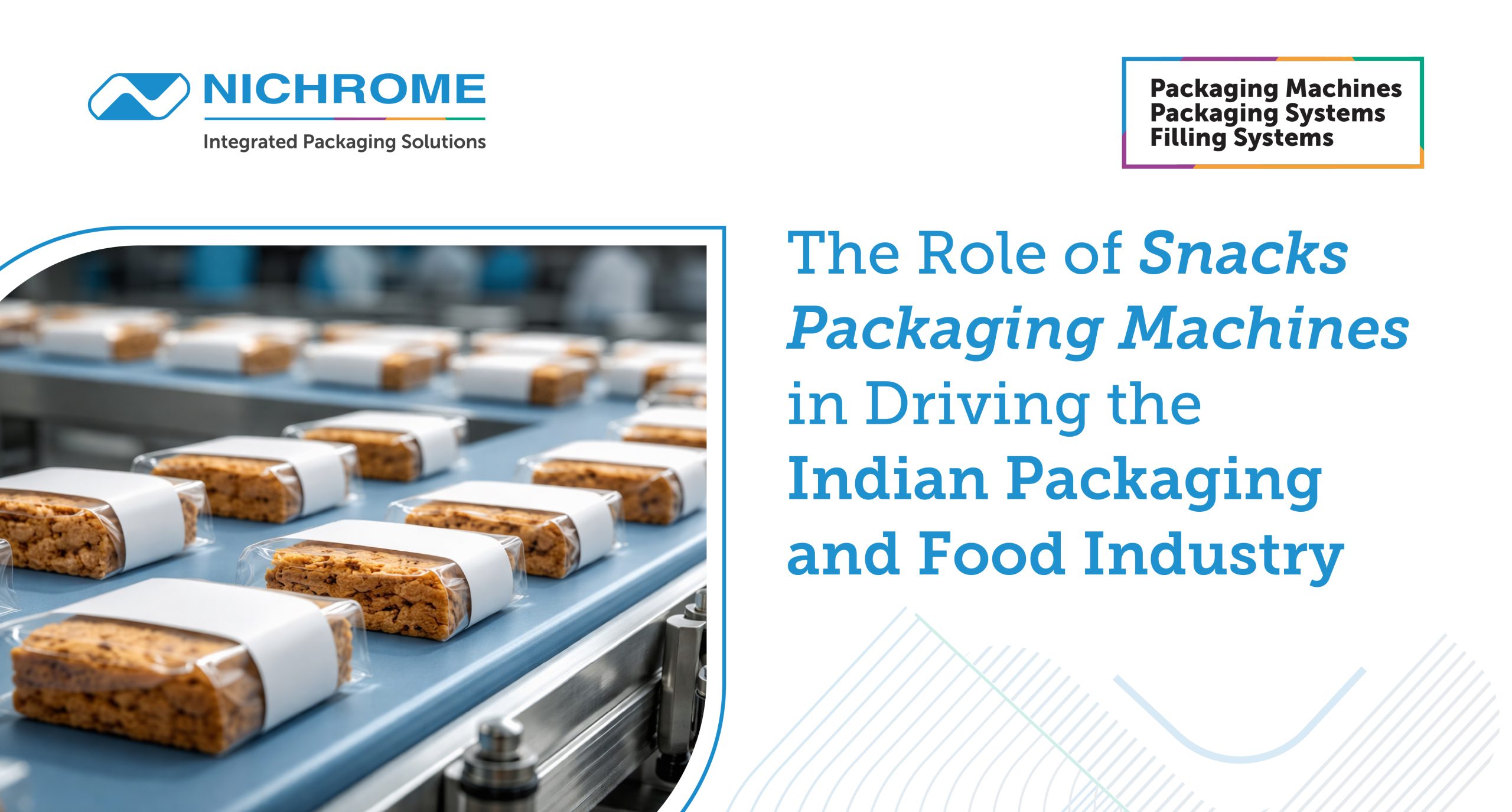
The Role of Snacks Packaging Machines in Driving the Indian Packaging and Food Industry
The Indian food industry is undergoing a rapid transformation. From traditional local markets to organized retail shelves, ready-to-eat foods especially snacks are now central to consumer diets across age groups. This shift isn’t just about changing tastes; it’s driven by urbanization, rising disposable incomes, and evolving lifestyles demanding convenience, quality, and safety. In this dynamic landscape, snacks packing machines are emerging as pivotal enablers acting as the bridge between production efficiency and consumer expectations.
With the Indian food packaging sector itself projected to grow significantly, the strategic importance of snack packaging technologies cannot be overstated. According to forecasts, the Indian food packaging market alone is expected to reach USD 39.6 billion by 2033, expanding at a CAGR of around 6.9% a clear indicator of strong growth in packaged foods overall.
A Snack Revolution: Growth of the Indian Snack Market
The first pillar for understanding the role of packaging machines is the explosive growth of the snack industry in India. Industry data suggests that the Indian snacks market is poised to exceed INR 1.2 trillion by FY26, growing at a CAGR of around 13% due to convenience-driven consumption and diversified snack preferences.
Snacks from namkeen to extruded snacks, puffed products, nuts, and ethnic offerings are no longer occasional treats. They have become lifestyle staples, driven by both urban demand and a rising presence in semi-urban and rural markets. This scale of demand requires packaging solutions, including namkeen packing machines, that can keep pace with production volumes while ensuring product freshness and food safety.
Why Packaging Machines Matter
1. Preserving Freshness and Quality
At the heart of snack appeal is freshness. Consumers associate crispness, aroma, and appearance with product quality. In snacks like potato chips, even slight exposure to oxygen or moisture can degrade texture and flavor. Advanced snack packaging machines, especially vertical form-fill-seal (VFFS) and horizontal flow wrap systems help maintain optimal packaging conditions by controlling sealing parameters, integrating nitrogen flushing, and reducing exposure to contaminants.
Flexible packaging formats, such as pouches and sachets, dominate the snack market because they preserve texture, prevent breakage, and extend shelf life. These formats require precision filling and sealing tasks that manual processes simply can’t match at scale.
2. Delivering Scale and Speed
One of the defining advantages of modern snack packaging machines is automation and throughput. In competitive markets, speed matters. Machines designed for high-speed, consistent output allow manufacturers to meet growing volume demands without compromising quality.
This capability becomes particularly important for large snack brands as well as regional players who aim to scale production to meet distribution demands across multiple states, retail formats, and e-commerce platforms. Automated systems reduce bottlenecks in packing lines, minimize downtime, and enable consistent output even during peak demand cycles.
3. Enabling Product Variety and Innovation
Consumer preferences are becoming more fragmented, with demand for diverse formats (single serve, multi-packs, resealable pouches), flavours, and price points. Packaging machines equipped with multi-lane filling, adjustable format settings, and smart control systems allow companies to support this product diversity without costly manual changeovers.
For example, a single packaging machine might handle different pouch sizes, accommodate resealable zippers, or switch between extruded snacks and nuts, all with minimal recalibration. This flexibility expands brand portfolios and supports experimentation with new offerings.
Boosting Operational Efficiency
In addition to speed and flexibility, packaging machines significantly enhance operational metrics:
Reduced Labor Costs
With automation handling most of the packaging process, companies can optimize labor resources. This is especially valuable in India’s manufacturing landscape, where labor costs and skill availability vary widely across regions.
Improved Hygiene and Safety
Modern packaging machines incorporate hygienic designs and automated handling systems that reduce human contact with food products. This aligns with FSSAI standards and helps ensure compliance with food safety regulations, a growing consumer expectation in India.
Lower Waste and Higher Yield
Accurate weighing, filling, and sealing reduce material wastage and avoid product giveaways. Tight quality control through sensors and real-time feedback systems further minimizes defect rates.
Impact Across Food Segments Beyond Snacks
While the focus here is on snacks, the benefits of packaging machines extend across several food categories:
Ready-to-Eat and Packaged Meals
As on-the-go lifestyles grow, ready-to-eat foods require reliable packaging to maintain freshness and texture. Machines designed for rapid sealing and flexible formats help producers compete in segments like instant noodles, baked foods, and frozen snacks.
Confectionery and Bakery Goods
Precise packaging extends shelf life without preservatives, which consumers increasingly prefer. Machines that handle delicate products without damage are essential for maintaining product integrity.
Health and Nutrition Foods
With rising health consciousness, products like cereal bars, roasted nuts, and baked snacks are gaining traction. Packaging that prevents oxidation and moisture ingress is critical to retaining nutritional value.
Overall, the food and beverage packaging sector in India was valued at more than USD 14 billion in 2023 and is expected to grow to over USD 21.6 billion by 2030, demonstrating strong adoption across multiple food segments, not just snacks.
E-Commerce and Distribution Dynamics
One of the fastest-growing drivers of packaged snacks is the rise of e-commerce. With online platforms penetrating deeper into tier-II and tier-III cities, snack brands are expanding their reach beyond traditional retail channels. Packaging machines help brands produce distribution-ready formats that survive transit stresses reducing damage and returns.
Flexible security features, tamper-evident seals, and easy-to-open designs enhance the consumer unboxing experience, an important differentiation point in crowded online marketplaces.
Supporting MSMEs and Regional Players
In India, the snack industry isn’t only led by large conglomerates. A vibrant ecosystem of micro, small, and medium enterprises (MSMEs) contributes significantly to the regional snack economy by producing ethnic and traditional products with distinct flavours and cultural identities.
The availability of compact snack packaging machines tailored for small-batch operations enables these players to enter organized markets. Machines with smaller footprints and modular configurations allow MSMEs to maintain quality while reducing upfront investment barriers. This democratization of packaging technology supports entrepreneurship and regional economic growth.
Sustainability and Regulatory Compliance
Packaging waste and sustainability are key considerations as India modernizes its food industry. Governmental extended producer responsibility (EPR) norms and rising consumer demand for eco-friendly packaging are encouraging brands to rethink materials and machinery.
Snack packaging machines increasingly incorporate compatibility with biodegradable films and recyclable materials, aligning production lines with sustainability goals. This shift is vital, considering that packaging waste especially from food and beverage sectors represents a significant environmental concern in India.
India’s packaging market overall is expected to reach USD 169.7 billion by 2030, with food packaging comprising nearly half of that share, reflecting the critical role of packaging machinery and materials innovation in long-term industry growth.
Future Trends Shaping Packaging Machine Adoption
Smart and Connected Machines
The integration of IoT, predictive maintenance analytics, and remote monitoring is transforming packaging lines into intelligent production ecosystems. These capabilities improve uptime, enhance quality consistency, and provide actionable data for operational optimization.
Flexible and Hybrid Machines
As product portfolios diversify, hybrid machines that handle multiple formats without manual retrofits are becoming more popular. This increases line utilization and reduces downtime.
Sustainability-Oriented Innovations
Packaging machines are increasingly designed to work with eco-friendly substrates (such as compostable films and recycled plastics) while maintaining sealing quality and barrier performance. This supports regulatory compliance and brand sustainability commitments.
Key Contributions of Packaging Machine Manufacturers
1. Quality & Consistency at Scale
Packaging machine manufacturers enable food brands to produce uniform, high-quality packages at high speeds. This ensures product consistency, reduces human error, and elevates overall brand trust across markets.
2. Enhanced Food Safety & Shelf Life
Modern machines like automated vertical form-fill-seal (VFFS) systems and high-precision sealers significantly improve hygiene, barrier protection, and shelf life, minimizing spoilage and contamination—critical factors for snack products.
3. Operational Efficiency & Cost Savings
Automated packaging lines reduce labor dependency, improve throughput, and lower waste. Smart controls, accurate filling, and reliable sealing translate to lower operating costs and higher production yield.
4. Flexibility & Product Diversification
Manufacturers offer versatile machines capable of handling multiple formats, sizes, and product types allowing brands to innovate with single-serve packs, multi-packs, and customized formats without expensive retooling.
5. Support for MSMEs & Market Expansion
Compact and affordable solutions enable small and medium enterprises (MSMEs) to enter organized retail and e-commerce channels, expanding India’s food ecosystem and fostering regional entrepreneurship.
Nichrome In the Snacks Industry
Nichrome India Limited is a leading packaging machine manufacturer in India, known for robust, reliable, and adaptable solutions for the snacks industry. Designed to meet the demands of high-speed and flexible snack packaging operations, the SP 250 Snackpackstands out as a purpose-built solution that supports consistent performance, product integrity, and scalable production.
SP 250 Snackpack — Key Contributions
- Versatile Performance: Designed for a range of snack products (namkeen, extruded snacks, nuts, biscuits), offering multipurpose packing capability on a single platform.
- High Throughput: Delivers competitive speeds ideal for medium and large-scale operations, helping brands meet growing demand efficiently.
- Precision & Consistency: Equipped with accurate weighing and sealing systems to ensure consistent fill and quality across every pack.
- User-Friendly Operation: Intuitive controls, quick changeovers, and minimal maintenance make it suitable for both established brands and growing businesses.
- Scalability: Its modular design supports future upgrades, enabling businesses to scale production without complex retrofitting.
Packaging machine manufacturers in India like Nichrome India Limited are not just suppliers of equipment they are enablers of industrial growth. By providing reliable, flexible, and efficient food packaging machines such as the SP 250 Snackpack Machine, they help food companies:
- meet consumer demand,
- maintain quality and safety,
- reduce operational costs,
- and expand into new market segments.
Their contribution drives efficiency, competitiveness, and innovation throughout the Indian packaging and food industry.
Packaging Machines Powering Industry Growth
The role of snack packaging machines in India extends far beyond mere automation. They are catalysts for:
- Product quality and freshness
- Operational efficiency
- Brand competitiveness
- Safety and compliance
- MSME empowerment
- Sustainable growth
With the Indian snack and food packaging markets rapidly expanding, packaging machinery, especially tailored snack packaging is central to driving value across the supply chain. As consumer preferences evolve, regulatory frameworks advance, and technology capabilities expand, the intersection of food processing and packaging machinery will continue to be one of the most dynamic and impactful arenas in the Indian food and industrial ecosystem.
Snack packaging machines play a critical role in industry transformation, supporting a more efficient, sustainable, and innovative future for Indian food brands and consumers alike.